


Unfolding Clean Beauty and Experience-Led Strategies: Why Beauty Brands Should Focus on Asia
MindsetThe lifestyle sector has seen massive shifts in consumer behavior recently. In particular, luxury market setbacks like the collapse of Matchesfashion have changed consumer priorities. Furthermore, global crises such as the Russia-Ukraine war have accelerated this dramatic pivot.
Consequently, younger generations like Gen Z and millennials are leading the change. They now actively demand authenticity and sustainability, especially within the beauty and well-being sectors. Ultimately, this paradigm shift highlights a crucial new direction. Brands must focus on clean beauty and experience-led strategies, particularly in Asian markets.
The Influence of Global Events on Future Buyers
Recent global events have left a lasting imprint on younger consumers. For instance, the COVID-19 pandemic and rising geopolitical tensions heavily altered the state of mind of Gen Z and younger millennials.
As a result, these generations are now more conscious than ever about their spending. Specifically, they focus deeply on the environmental and ethical implications of their purchasing decisions. Because of this, ninety percent of Gen Z and younger millennials want to buy clean beauty products in the future.
Clean beauty products emphasize sustainability, natural ingredients, and ethical practices. Therefore, they successfully spark strong interest and loyalty among these demographics. Looking ahead, the market shows incredible promise. By 2027, overall revenue is expected to grow by 12% in the global clean beauty market.
Rise of Key Markets: China, Japan, South Korea, the US and Germany
Several countries are quickly emerging as key global players. Currently, five nations dominate the retail cosmetics and toiletries segment. These markets are China, Japan, South Korea, the US, and Germany. Together, they command a massive 60% of the global market share.
In addition, several clear factors contribute to the prominence of these markets. For example, rising disposable incomes and a growing awareness of clean beauty drive steady growth. Consumers also have more knowledge about non-invasive alternative beauty practices.
Consequently, beauty and wellness brands must adapt if they want to expand their global footprint. They need to strategically align their efforts with these dynamic regions. Doing so will allow them to capitalize on market opportunities effectively.
The Role of WA:IT in Shaping the Future
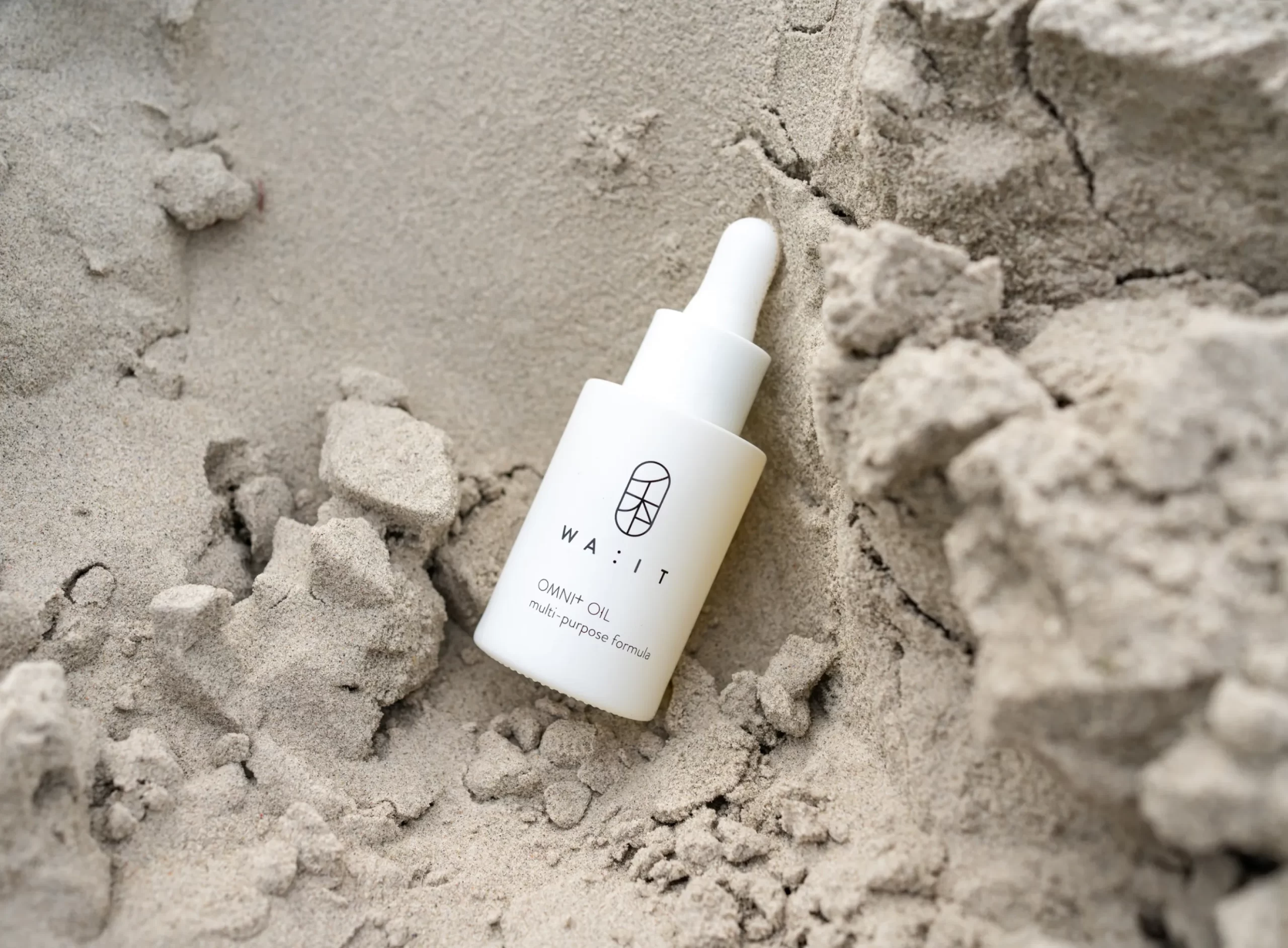
As a pioneering carbon-negative wellness brand, WA:IT embodies the essence of modern beauty that resonates with today’s conscientious consumers. Our fusion of Japanese tranquillity and Italian vibrancy captures the essence of beauty’s duality, offering products that evoke mood-lifting experiences rooted in authenticity.
Sustainability is not just a buzzword at WA:IT; it’s at the core of our mission. From ethically sourced ingredients to operating in a carbon-negative manner, we set new standards in the industry. Our recent participation in the New York Climate Week Summit underscores our commitment to reshaping the beauty industry’s production chains and perceptions.
As we expand into the USA and Asian markets, we are excited to introduce our unique brand ethos to a wider audience. Our specialized SPA protocols and product ranges tailored for the travel and wellness hospitality sectors reflect our dedication to providing holistic experiences that transcend traditional beauty norms.
In collaboration with Piero Lissoni, founder of Lissoni & Partners, we recently unveiled our latest creation, the TOKA scented candle, adding another dimension to our product offerings. As the beauty and wellness landscape continues to evolve, WA:IT remains at the forefront, inspiring authentic beauty journeys that celebrate sustainability, mindfulness, and the art of conscious presence.
Statistics Source: Ulta Research Services LLC.

